Cat Anxiety Signs At Home And How To Calm Them Naturally
Author:Andy
Released:February 25, 2026
Many households consider cats to be the epitome of relaxed living, yet beneath that serene exterior often lies a world of anxiety that many felines experience. Various factors, such as an erratic routine, new pets, or day-to-day disturbances, can contribute to Stress in our companions. By understanding how anxiety manifests in cats, pet owners can take proactive measures to create a calming environment that fosters wellbeing.
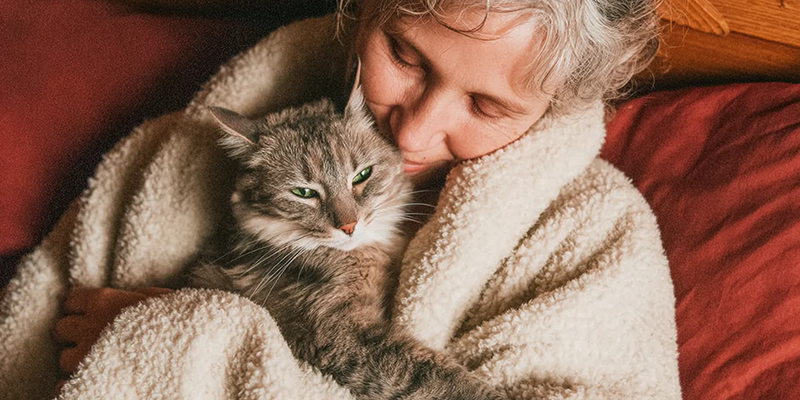
Understanding Cat Anxiety
Cat anxiety refers to an emotional state characterized by excessive fear or worry, which can lead to unwanted behaviors or changes in their eating habits. Much like humans, cats can experience anxiety due to a variety of triggers. Changes in their environment—such as moving to a new home or introducing new pets—can significantly affect a cat's sense of safety and comfort. Loud noises such as thunderstorms, fireworks, or even everyday household sounds can create a sense of unease.
According to research published in the Journal of Veterinary Behavior, around 20-40% of cats may deal with some form of anxiety throughout their lives, highlighting the significance of this issue. Understanding these triggers is crucial for cat owners aiming to provide the best support for their furry companions in times of Stress.
Signs Of Cat Anxiety At Home
Undoubtedly, anxiety can manifest in various ways, and being attuned to your cat's behaviors can help identify distress early on.
Behavioral Signs
Several behavioral signs might indicate that your cat is feeling anxious. Litter box problems frequently emerge; if a cat that usually uses the litter box starts urinating or defecating outside of it, this poor behavior may be a cry for help from an anxious feline. Excessive vocalization, like persistent meowing or crying, can also signal that your cat is distressed or uncomfortable.
Another notable sign is hiding behavior; anxious cats may retreat to secluded spots to avoid social interaction. Conversely, some cats may show aggressive tendencies, acting out defensively when startled, revealing their underlying anxiety. Finally, pay attention to any changes in eating habits: a cat might refuse to eat or even binge during anxious episodes, reflecting emotional instability.
Physical Signs
In addition to behavioral signs, cats may exhibit physical responses to anxiety. One notable sign is over-grooming, which can lead to bald patches or skin issues as they lick away Stress. Weight changes, both loss and gain, may also reflect anxiety levels, showcasing that emotional turmoil can significantly affect appetite. Lastly, alterations in sleep patterns—excessive sleep or insomnia—can serve as vital indicators of your cat's mental state.
Natural Remedies For Calming Cats
Below are several natural remedies that can help reduce anxiety and promote calmness.
Creating a Safe Space
One effective strategy to soothe your anxious cat is to provide a safe and cozy space where they can retreat when feeling overwhelmed. Designate a quiet corner of your home and furnish it with their favorite blanket or bed; consider adding a cat cave or an enclosed space, ensuring it is away from household hustle and bustle. Familiar scents, such as a piece of clothing, can further enhance the area's comfort level.
Using Calming Products
There are various calming products available that can significantly help relieve anxiety. Herbal remedies like catnip and valerian root can induce relaxation; consider offering them through toys or as supplements in their diet. Pheromone diffusers and sprays that mimic natural feline pheromones can create a calming atmosphere, helping your pet feel safe. Additionally, calming supplements such as L-theanine or tryptophan may promote relaxation without sedation—consult your veterinarian before introducing any new products to ensure safety.
Environmental Enrichment
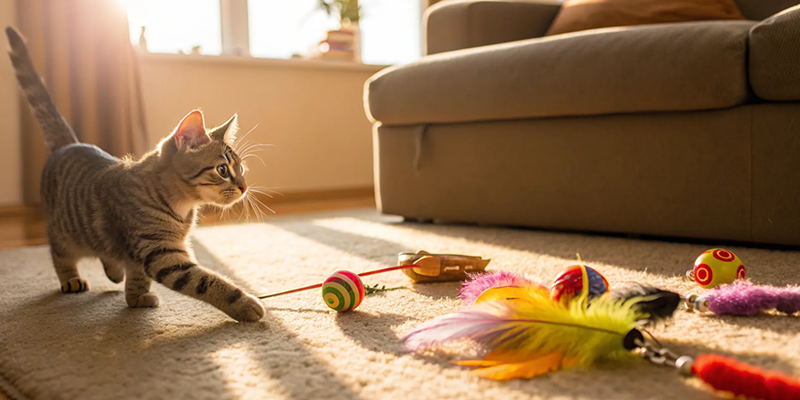
Providing environmental enrichment can relieve boredom and Stress. Engage your cat with interactive toys that challenge their minds or facilitate playtime, using feather wands or laser pointers to tap into their hunting instincts. Scratching posts can help alleviate Stress and promote fitness, while maintaining a consistent routine offers security and comfort, positively impacting their emotional state.
Behavioral Techniques To Help Calm An Anxious Cat
Navigating the complexities of anxiety in cats can be daunting, but effective behavioral techniques exist to soothe your fearful companion.
Positive Reinforcement
Begin by employing positive reinforcement techniques to reward calm behaviors; use treats, affection, or gentle praise when your cat is relaxed, helping them associate tranquility with positive outcomes. For instance, when your kitty explores a new space with confidence, offer a treat to reinforce this behavior and encourage relaxation.
Desensitization To Triggers
Another effective technique is desensitization to anxiety-inducing stimuli. Gradual exposure is essential—start by introducing sounds or situations that evoke anxiety at low intensity, gradually increasing exposure. Always pair experiences with treats or interactive play to ensure a positive experience.
Routine Establishment
Cats thrive on routine and appreciate a predictable environment. Establish a rhythmic schedule with consistent feeding and playtime to help reduce anxiety as they learn what to expect throughout the day. Speak to your cat in a calm, soothing manner, creating a sense of safety that fosters deeper trust between you.
Fostering a Safe And Secure Environment
Recognizing when your cat feels anxious can really help make them happier and more comfortable. By trying out natural remedies and simple behavior tips, you can support your furry friend when they seem stressed. Stay patient and pay attention to what they need to help strengthen your connection. If their anxiety seems to stick around or get worse, consider checking in with a vet for some personalized advice. With sedation and a lot of love, you can help your cat enjoy a more relaxed, cheerful life.
Prioritizing Your Cat's Emotional wellbeing
As a responsible pet owner, pay close attention to signs of anxiety in your cat—such as excessive grooming, withdrawal, or changes in appetite. Employing appropriate calming strategies—such as creating a safe, dedicated space for your cat, using natural remedies, and establishing a consistent daily routine—can significantly reduce your cat's Stress levels.
Only in this way can you ensure they feel a profound sense of security and the warmth of being truly cherished. By fostering a supportive and loving environment, you not only enhance your cat's overall wellbeing but also deepen the emotional bond you share.
Related Posts
10 Most Popular Orange Cat Breeds: Which One Fits Your Lifestyle
Cat Hiding Behavior: When It's Normal And When It's Not
Why Indoor Cats Want Outside Time—and What to Do About It

Wearable Tech for Pets: How It Helps Monitor Fitness and Wellness

Smart Flea Prevention Strategies for Year-Round Protection